Record Low Staff Turnover

We’re proud to share that our staff turnover in 2025 was just 0.71% — down from 1.5% in 2024, and miles below the industry average of over 30%.


More importantly, we’ve maintained zero agency staff usage since April 2023. Every person caring for our residents is a permanent member of our team who knows their story, their preferences, and their needs.


The impact has been transformative. Over the past few years, we’ve seen falls reduce by over 50%. That’s not a coincidence—it’s a direct result of consistency.


Why stability matters in dementia care

When you have dementia, unfamiliar faces aren’t just uncomfortable—they’re distressing. New people mean relearning names, routines, and trust. It creates anxiety and confusion.

When our residents wake up each morning to the same caring team, they’re calmer. They recognise voices. They know what to expect. That sense of safety translates into better outcomes across the board.


How we’ve done it

It’s surprisingly simple: we treat our staff well. Highest pay in Wales, genuine support, and a culture where people actually want to stay. We do the things that actually matter.

The result? Real relationships. Our team members don’t just know medical histories — they know life stories. They remember how residents takes her tea, what makes them smile, and, crucially, when someone’s having an off day.


That’s the care your loved one deserves. Not strangers rotating through, but familiar faces who genuinely care.


Immediate availability. Call 01633 857 715 to arrange a viewing.

Your Rights in Care: What Local Authorities Don’t Want You to Know

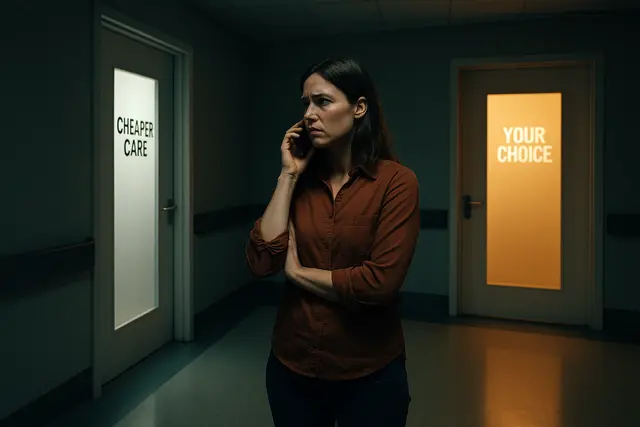
The phone call comes at the worst possible time. Your elderly parent has had a fall, the hospital discharge team is pressurising you to make quick decisions, and suddenly a social worker is telling you there’s “only one option” for care. Sound familiar?

If you’ve been through this process recently, you’re not alone. Across Wales, families are sharing increasingly similar stories of being rushed, misled, or outright coerced into care arrangements that feel wrong. The pressure is real, the language is urgent, and the implication is clear: take what we’re offering, or get nothing at all.

But here’s what they’re not telling you: you have rights. Strong ones. And it’s time you knew exactly what they are.

The Uncomfortable Truth About “Choice”

Let’s start with the uncomfortable reality. Too many families are hearing phrases like:

“This is the only bed available.”
“We won’t fund anywhere more expensive.”
“Your mother needs to move to a cheaper home.”
“The budget won’t stretch to your preferred option.”

These statements aren’t just misleading—in many cases, they’re unlawful. They represent a fundamental misunderstanding (or deliberate misrepresentation) of where budget considerations sit in the hierarchy of care decisions.

The truth is this: your loved one’s wellbeing comes before the council’s budget concerns. Always.

What the Law Actually Says

The Social Care Act (Wales) 2014 didn’t just reorganise social services—it fundamentally enshrined your rights in law. Under this Act, every person has the right to:

Control their own care decisions wherever possible. The Act places the individual at the center of all decisions, not the local authority’s convenience or budget.

Have their voice heard and their wishes respected. This isn’t just about being consulted—it’s about having genuine influence over what happens next.

Receive care that promotes their wellbeing. This means looking at the whole person, not just their immediate physical needs.

Choose from suitable options. Not an option. Options, plural.

The Act goes further, establishing what’s called the “voice and control” principle. This means that even when someone lacks mental capacity, their known wishes, feelings, and preferences must still drive decision-making through Best Interests assessments.

Your Human Rights Don’t Stop at the Care Home Door

Article 8 of the Human Rights Act protects your right to private and family life. This isn’t just about privacy—it’s about maintaining the relationships, routines, and connections that make life meaningful.

When a council tries to move someone to a “cheaper” home miles away from family, they’re not just moving a body from one bed to another. They’re potentially severing connections that have taken decades to build. They’re disrupting the very fabric of someone’s remaining independence and dignity.

The courts have been crystal clear: Article 8 rights don’t become negotiable just because someone needs care. If anything, vulnerable people deserve stronger protection, not weaker.

The Budget Myth That’s Costing Lives

Here’s the part that might surprise you: the council’s duty to the public purse does not supersede their duty of care to you.

Yes, councils have limited budgets. Yes, they need to spend public money responsibly. But the law is explicit about the hierarchy here. The Social Care Act (Wales) 2014 requires councils to meet assessed needs first, then work out how to fund it second.

This means they cannot — legally cannot — offer you a care placement that doesn’t meet your assessed needs (and wishes) simply because it’s cheaper. They cannot force you to accept substandard care to save money. And they certainly cannot threaten to withdraw funding entirely if you don’t accept their preferred (cheaper) option.

The Best Interests Smoke Screen

When someone lacks mental capacity, councils often hide behind “Best Interests” decisions to justify moves that are clearly about cost, not care. But here’s what a genuine Best Interests assessment must include:

  • The person’s past and present wishes and feelings
  • Their beliefs and values that would influence their decision
  • Input from family members and others close to them
  • Consideration of their emotional wellbeing, not just physical needs
  • The impact on existing relationships and social connections

Notice what’s not on that list? The council’s budget constraints.

We’ve seen social workers who’ve never met a resident declare that a person must move to a “cheaper” care home. This isn’t just poor practice — it’s unlawful. Anytime you’re faced with a social worker making these claims, tell them to conduct a Best Interests Assessment, and put the statement in writing.

When Reality Meets Rights

Sarah’s story illustrates exactly how these rights work in practise. Her 89-year-old father had lived in the same care home for three years when the council announced they would no longer fund his placement there. A “cheaper alternative” had been found 15 miles away, they said. It was in his “best interests” to move.

Sarah requested a Best Interests meeting. She documented her father’s distress at the suggestion of moving. She highlighted his friendships with other residents, his relationship with familiar staff, and his weekly visits from grandchildren who would struggle to travel the extra distance.

The council’s response? Suddenly, the original home became “fundable” again.

This isn’t an isolated case. It’s a pattern. When families know their rights and utilise them, councils often find flexibility they previously claimed didn’t exist.

Your Action Plan: Know Your Rights, Use Your Voice

If you’re facing pressure to accept unsuitable care arrangements, here’s your roadmap:

Demand a full needs assessment. Don’t accept shortcuts or rushed evaluations. The assessment should cover emotional, social, and psychological needs—not just physical care requirements.

Ask for the list. Councils must provide you with all suitable care homes that meet the assessed needs. If they claim there’s “only one option,” ask for this in writing.

Take your time. Despite what you might be told, you’re allowed to consider your options properly. Emergency discharge from hospital doesn’t mean emergency decision-making about long-term care.

Challenge cost-based decisions. If you’re told a preferred home is “too expensive,” ask for the legal basis for this decision. Ask how they’ve balanced cost against wellbeing as required by law.

Insist on Best Interests meetings when capacity is questioned. And remember—no social worker will put in writing that it’s in someone’s best interests to move somewhere cheaper.

Document everything. Keep records of what you’re told, by whom, and when. If verbal pressure becomes a pattern, it becomes evidence.

The Bigger Picture: Why This Matters

This isn’t just about individual families fighting individual battles. It’s about the kind of society we want to be. It’s about whether we accept that needing care makes you a second-class citizen, or whether we insist that dignity and choice remain non-negotiable.

Every time a family accepts an unsuitable placement because they’ve been told they have no choice, it makes it easier for the next family to be told the same thing. Every time someone challenges these decisions and wins, it strengthens the system for everyone who comes after.

The law is on your side. Your rights are real. And despite what you might be told in the pressure of the moment, you do have choices.

Aria’s 11th Anniversary

Last week we turned 11 years old.

After opening our doors for the very first time on 10th April 2014, we celebrated our 11th anniversary with a customary shin dig for residents, families and our team to mark the occasion.

From those very early days we’re proud to say that joining us in the celebrations are both one of the first residents we welcomed to the home, and Gail, our Senior Caregiver who joined us soon after we opened.

11 years have flown by. And for that we’re all eternally grateful to everybody that’s been connected with Aria in whatever way these past four-thousand-and-something days.

Thank you.

Virtual Tour

We’re delighted to finally publish our first virtual tour of Aria Care Home.

Enjoy a walkthrough of the home and some of our features, as well as soaking in the atmosphere of our lounge areas as we captured our 11th anniversary party.

You can view this video any time by re-visiting this post, or by going to the Our Home page.

We hope you enjoy this look into our home, our people, and our moments.

https://www.youtube.com/watch?v=d-JFn-R1I2k&t=13s

Aria Care Home Breaks Through £15/hour Pay Milestone — Highest Paid Care Team in Wales

Aria Care Home, a 28-bed dementia care home in Newport, has today announced that its minimum rate of pay has officially risen to £15.50 per hour, making its care team the highest paid in Wales and amongst the highest paid in the UK care sector.

This milestone comes off the back of a 30% pay increase in 2023, which saw Aria intentionally distance itself from the Real Living Wage and set a new benchmark for pay in the care industry. Since then, that lead has not only been maintained but extended year-on-year.

“For years where I’d sit with payroll in front of me and feel sick. I knew the people showing up every day, caring with their whole hearts, weren’t being paid what they should’ve for the work they did. It made me feel like I was failing them.

Hitting £15.50 feels like a glass ceiling has been shattered. Even though we’d made a quantum leap in pay two years ago, breaking through £15 is a moment I’ve dreamed about for a long time. It’s proof that we don’t have to accept ‘industry standard’ as the limit. We can choose better. And when we do, everything gets better — for the team, for the people we care for, for everyone. And it has.” – Ali George, Managing Director.

The results of Aria’s workforce investment have been transformative:

  • 100% employee retention on average since 2023
  • Zero agency use, eliminated overnight following the pay rise
  • Triple-digit applicant volumes for every new recruitment campaign

This model has created one of the most stable, committed and sought-after care teams in the country — a sharp contrast to the sector-wide issues of chronic staff shortages and high turnover.

The impact on resident care has been just as dramatic:

  • Falls have decreased by 54% since 2022
  • Mortality has dropped by 75% over the same period

Aria credits this to continuity of care, stronger staff-resident relationships, and a reinvigorated team culture rooted in trust, wellbeing and professional respect.

While many care providers remain tethered to external funding limits and the Real Living Wage as a ceiling, Aria has taken a different path — proving that better pay isn’t just affordable, it’s transformational.

“I don’t believe in cheap gimmicks to make people feel valued. I’d rather pay them properly, whatever it costs. The goal is to make life a little easier, so people can build meaningful relationships.

We block out the noise from the wider sector and stay focused on what we can control, and what we believe is right.

And when you look at our track record — high pay, no agency, full retention, longevity for residents — it shows what happens when the same good people stay. When there’s a little less financial pressure, and enough time to build real bonds with each other, and with the residents they care for every day.”

GUIDE: Understanding the First Steps in Finding a Care Home

Choosing a care home for yourself or a loved one can feel overwhelming, but understanding the process from the start makes it more manageable. The first step is assessing your care needs and finances, ensuring you receive the right support while understanding your rights

Financial Assessment

Before selecting a care home, it’s essential to determine whether you’ll be self-funding or eligible for local authority support. A financial assessment—also known as a means test—is conducted by your local council to evaluate your income, savings, and assets. In Wales, the threshold is higher at £50,000 for residential care. Those below these thresholds may qualify for partial or full financial assistance.

Contacting Social Services

If you or your loved one may require financial help, your local Adult Social Services department should be your first point of contact. They will arrange a care needs assessment, evaluating the level of support required. If care home placement is recommended, they will then conduct the financial assessment. Even if you are self-funding, this assessment can help determine the right level of care and ensure you consider all available support.

Knowing Your Rights

Everyone has the right to a care needs assessment, regardless of their financial situation. If the local authority is contributing to costs, you have the right to choose a care home—within reason—as long as it meets your needs and budget. If you are self-funding, you have complete freedom to choose.

Starting with these steps ensures a well-informed decision, helping you or your loved one find the right care home with clarity and confidence.

REVIEW: 2024 in Numbers ?

As 2024 draws to a close, we’re delighted to be able to share our outcomes for residents over the past year:

? 34% reduction in resident falls

? 75% reduction in resident mortality

? 99.6% employee retention

? 0% agency use

? Industry leading rates of pay

We’ve maintained a strong commitment to ensure our team are amongst the highest paid in the care sector across the UK. That choice has driven these exceptional results as residents are statistically living safer, healthier lives at Aria — thanks to the strong relationships they’re able to build not only with our team, but with each other as well.

Aria has continued to outperform the sector in every metric, and with more investment into the home itself continuing in 2025, we aim to keep improving day-by-day with new technology, upgrading facilities and creating a more natural ambience around the home.

ADVICE: How to Make a Care Home Feel Like Home – Personalising a Loved One’s Space

Moving into a care home can be a big adjustment, but small personal touches can make all the difference in helping your loved one feel comfortable and settled. While care homes provide essential care and safety, it’s the familiar surroundings and personal items that truly create a sense of home. Fortunately, all care homes welcome families to personalise their loved one’s bedrooms to make them feel as much like home as possible.

Here’s how you can personalise a care home room to make it warm, familiar, and reassuring.

1. Bring Familiar Items from Home

One of the easiest ways to create comfort is by bringing items your loved one already cherishes. This might include:

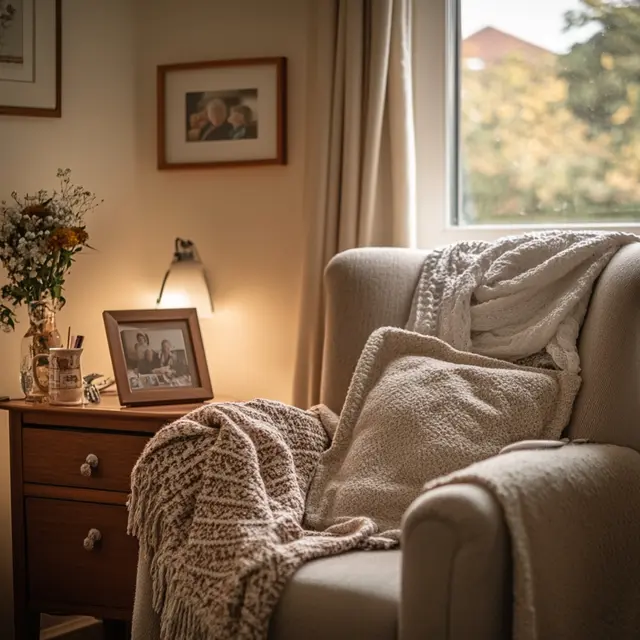
  • Favourite photographs in familiar frames
  • A special blanket or cushion
  • A well-loved chair (if space allows)
  • Books, ornaments, or small keepsakes

These personal items provide continuity and reassurance, especially for those living with dementia, where familiarity is crucial for reducing anxiety.

2. Add Soft Furnishings & Textures

Many care homes provide standard furniture, but adding throws, cushions, or soft rugs can make the space feel less clinical and more inviting. Choose textures and colours your loved one enjoys—soft, warm fabrics can provide a sense of comfort and security.

3. Personalise the Walls

Most care homes allow residents to hang photos, artwork, or wall decorations. Creating a photo collage of family, pets, and past memories can be a wonderful way to make the space feel familiar and uplifting. If your loved one has a favourite painting or print, consider bringing a framed copy.

4. Keep a Familiar Scent

Smell is a powerful trigger for memory and emotion. Bringing a familiar-scented hand cream, a favourite perfume, or a diffuser with a soothing scent like lavender can make the room feel more like home. Always check with the care home about their policies on scented items.

5. Make Use of Technology

A digital photo frame that rotates through cherished family photos can be a great alternative if wall space is limited. If your loved one enjoys music, consider a small, easy-to-use radio or a device pre-loaded with their favourite songs. Hearing familiar voices and tunes can bring great comfort.

6. Maintain a Routine with Personal Items

Encourage your loved one to keep small rituals and routines—whether it’s reading a particular newspaper, enjoying a morning cup of tea in their favourite mug, or using a well-worn dressing gown. These small details help maintain a sense of normality.

7. Seasonal Touches & Special Occasions

Decorating the space with seasonal items, such as a small Christmas decoration, a birthday card display, or a simple vase of fresh flowers, can help maintain a connection to time and traditions.

8. Encourage Personal Choice

Finally, involve your loved one in decisions about their space as much as possible. Even small choices, like picking a new bedspread or choosing where to place a photo, can give them a sense of control and ownership over their environment.

By making these thoughtful adjustments, you can help transform a care home room into a comforting and familiar space, improving well-being and emotional security. A care home should feel like a new chapter, not the end of one—and the right personal touches can make all the difference.

Aria Turns 10 ?

Aria Care Home celebrates a decade since we first opened our doors in 2014.

Since then we’ve gone on to become a nationally recognised care home, an award-winner, pioneers in pay for care workers, featured in media for our initiatives, and — most importantly — continue to improve month-on-month in the care and support our residents receive.

We thank everyone involved with us over the past 10 years for their support and contribution through all of the highs and lows that has led us to this point. We’re able to look back with pride that every moment has led us to where we are today, and with a bright future ahead.

Thank you ?